What We Do in Every School
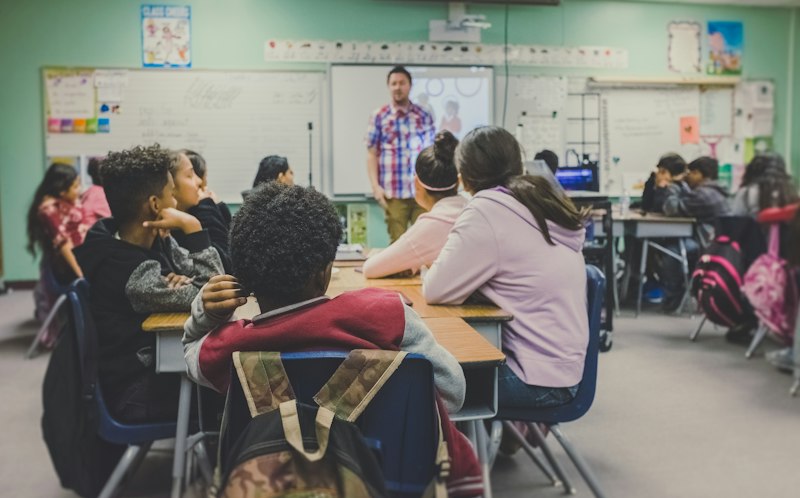
Each programme is evidence-based, internationally benchmarked, and delivered through rigorous on-ground execution in adopted public schools.

English Language Proficiency
Delivered through adaptive software, speaking labs, and TOEFL Junior assessments. Competence in English enables students to access global knowledge and compete internationally.
Digital Literacy & EdTech
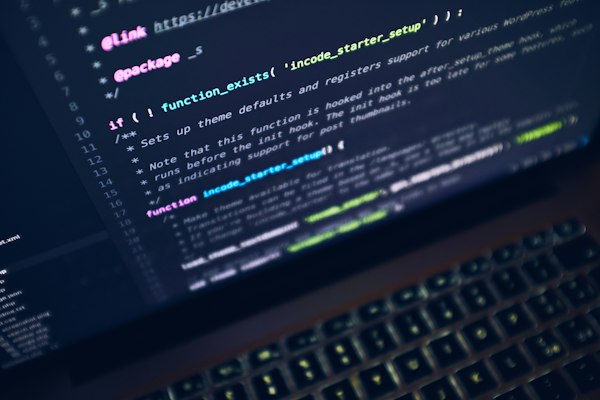
Google Classroom LMS, interactive whiteboards, and blended learning stations in every school. Technology is integrated into all aspects of learning.

Innovation & STEAM Labs
STEAM Innovation Labs with modular robotics and project-based learning. Prepares students for rapidly evolving fields critical to Pakistan's economic development.
IB Primary Years Programme
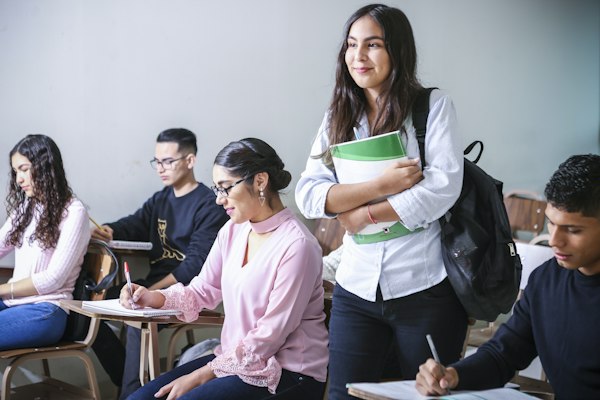
Multi-year pathway to full IB PYP authorisation. Curricula aligned with IB standards. Teachers trained in IB philosophy. Cambridge and IB Organisation collaboration.

Communication & Leadership
Debates, public speaking, collaborative projects, and mentorship programmes build confidence and 21st-century skills for every student.
AI Literacy & Global Awareness
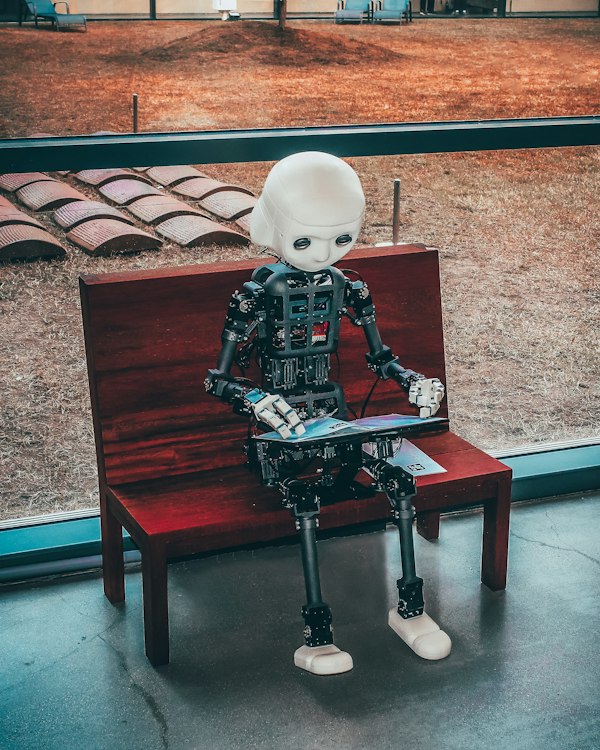
Age-appropriate AI concepts integrated from foundational levels. Curated global content developing digital citizenship and international awareness.